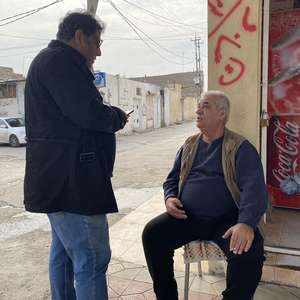
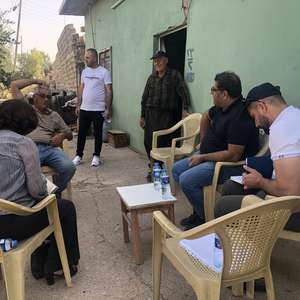
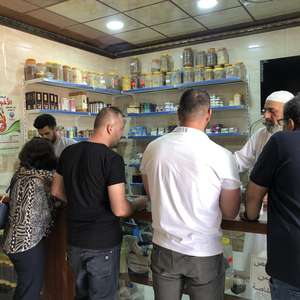
The University of Duhok hosted a Training course entitled:
"Support for Cultural Restoration in Northern Iraq"
During the period December 24th, 2022 to May 18th, 2023
from 9:00 AM to 04:00 PM (Local Duhok Time).
The training course was held in the Tal Keif District.
Supervisor:
Dr. Nabaz Ibrahim Mohammed [email protected]
Dr. Nashwan Shawkat Mizzouri [email protected]
List of trainers (Wild Plants group):
Dr. Hassan MUHAMED
Dr. Remonda Eshaya Armia
Dr. Zubeida S. Abdulkhaliq
Mr. Ahmed MAHMOOD
Mr. Honar Safar MAHDI
Background:
The USAID funded Support to Traditional Cultural Practices in Northern Iraq project is studying the challenges of Wild edible plants sector as it seeks solutions for tomorrow. The Ninewa province also remains the most severely inflicted governorate by the conflict, with over 331,170 still displaced (according to the IOM Iraq Displacement Tracking Matrix (DTM), March 2020). The International Organization for Migration (IOM) examined the factors behind protracted displacement in Iraq by analyzing the main districts of origin and identifying the obstacles to return for IDPs (IOM Iraq, 2019b). The study revealed average to very low intention to return among both out-of-camp and in-camp IDPs.
Tal Keif district: Out-of-camp IDP households originally from the district have reported average intentions (14%) to return in the short-medium term, whereas those in camps are generally not willing to return (83% stay, 17% undecided). The in-camp IDPs’ intentions can be linked to the higher percentage of families mentioning a lack of revenues to return (50%), in addition to frequent house damage and destruction (63%) as their mainobstacles to return; three quarters of out-of-camp IDPs were missing housing, land and property documents.
Another IOM study examining factors driving IDPs’ decisions to return or remain displaced among four ethno-religious groups, Christians, Ezidi, Shabak, Sunni and Shia Turkmen, found that a lack of services, safety, and opportunities in locations of origin are among the strongest factors influencing decisions not to return (IOM Iraq, 2019c). More precisely, lack of services in their location of origin is a very strong factor influencing the decision to remain displaced for 75% of interviewed IDPs. The group most likely to report this are Christian IDPs (85%). Lack of safety is identified as a second determining factor, mentioned by 68% of IDP households, with higher averages among Christian (85%) and Ezidi (79%) IDPs. Lack of employment was mentioned as a significant factor by 62% of IDPs, particularly Christian IDPs (76%). The findings reiterate that while these decisions are driven by factors related to the situation in displacement and affected by changes in the location of origin, the specific influencing factors vary from one group to another. As such, future mediation processes and other efforts to return these populations to their homes must be tailored to address the specific concerns of each community.
This project covers Wild edible plants that is important to the ethnic and religious minorities in the Nineveh Plains region. A literature review and stakeholder interviews have guided strategies. The objective is training is to show the the challenges and important of the wild edible plants in term of Ecology, culturally, socially and economically in the Nineveh plains region after ISIS liberation. Nineveh Plain is considered the "breadbasket” of Iraq, and it is one of the most fertile plains in the country. In 2014, the Nineveh Plain territory was overtaken by the Islamic State of Iraq (ISIS). Close to one million people are estimated to have fled their homes, and at least 20,000 commercial and government buildings, including schools, animal projects, and training institutions, were destroyed.
Overview:
In Nineveh plains, many different wild plants grow and reproduce naturally in their natural habitat without being cultivated. People in the plain have gathered Wild edible plants for a long time, and they have become part of their diet, food systems and other different traditional practices.
A Wild Plants team of researchers from the University of Duhok and Indiana University, supported by USAID’s project “Support to Traditional Cultural Practices in Northern Iraq” work in restoring the wild plants cultural practices used by the ethnoreligious communities, Christians, Yezidis, Shabaks, Turkmen, and Kaka’i living in Nineveh Plains- Northern Iraq after being targeted by IS, with a particular focus on the districts of Hamdaniya, Tal Kayf and the sub-district of Bashiqa. This collaborative effort with ethnoreligious communities will produce a physical and digital herbarium of wild plants, botanical gardens, field guides, and educational materials sharing the sustainable use of wild plants and their role in the daily cultural practices of Nineveh plain communities.
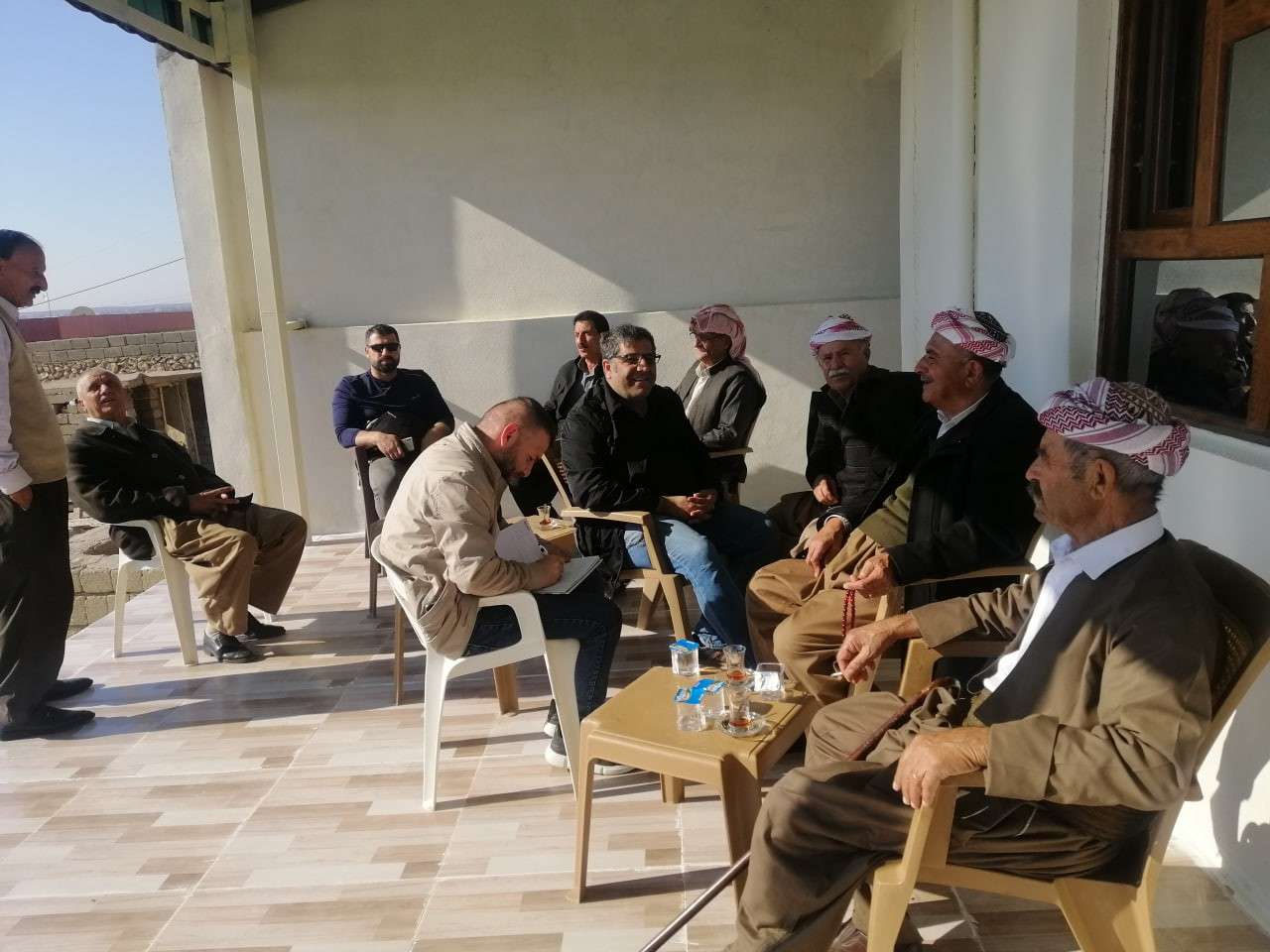
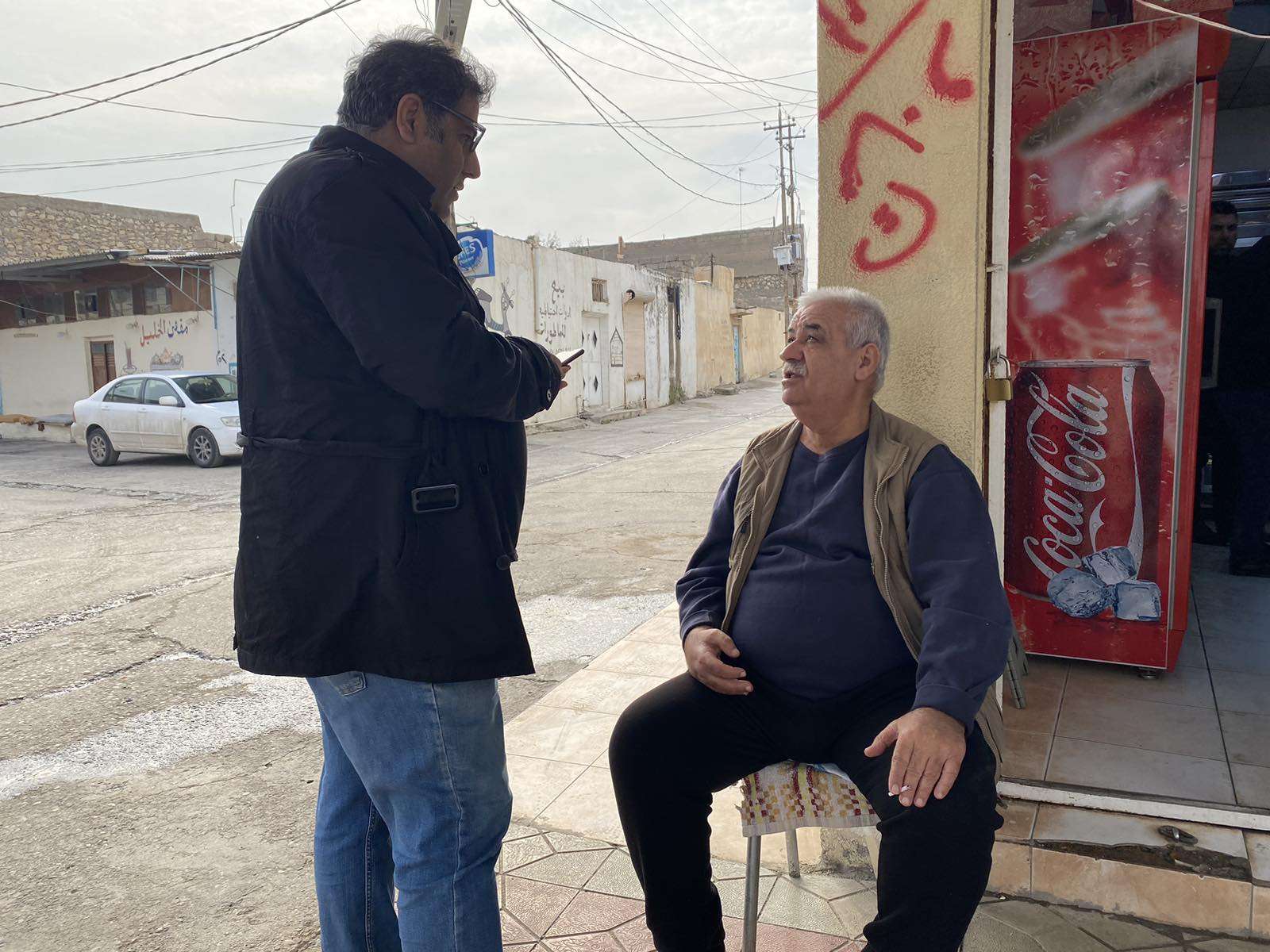
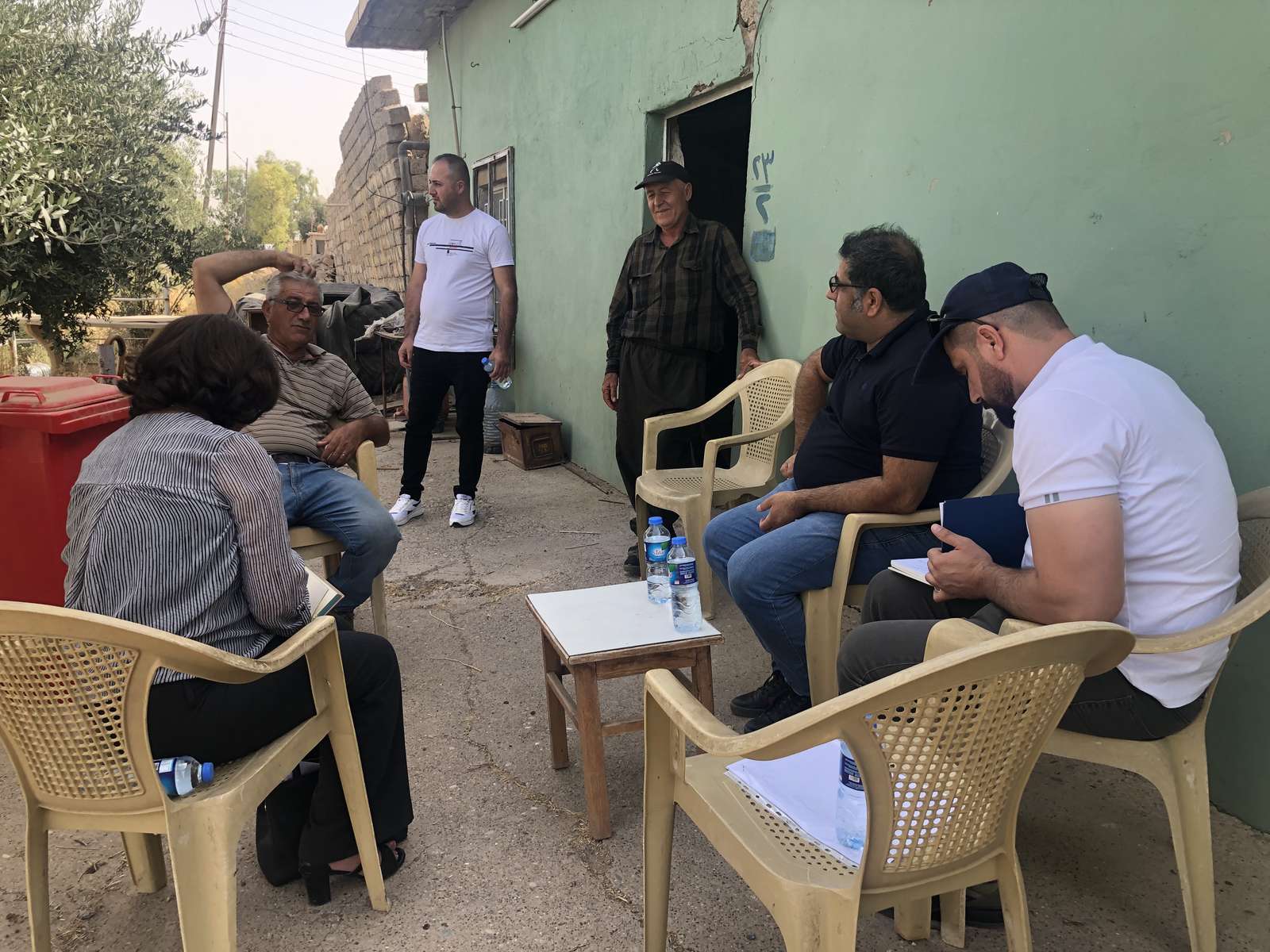
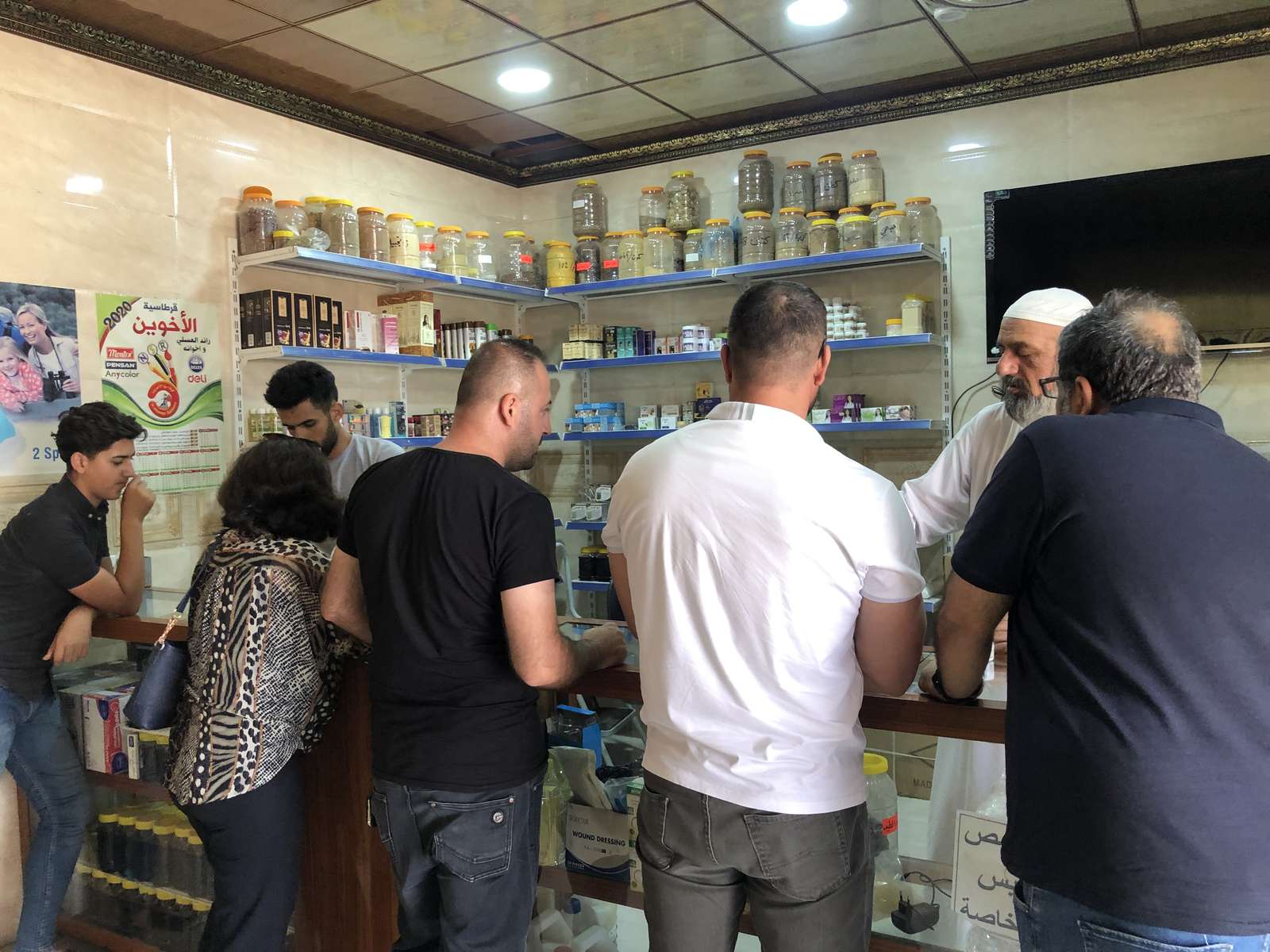
Our team conducted visits to 26 villages of all minorities (Christian, Shabak, Yazidis, Turkmen and Kakai) living in the mentioned districts of Nineveh Plain and farmers have been trained.
Topics of Training:
- Awareness and education: Wild plants projects aim to raise awareness among communities, stakeholders, and the general public about the importance of wild plants for biodiversity conservation, cultural heritage, and sustainable development. Educational initiatives, capacity building, and outreach activities are often implemented to achieve this objective.
- Economic development and livelihood improvement: Wild plants can have significant economic value, both locally and globally. Wild plants projects may focus on supporting sustainable wild plant-based market opportunities and improving the livelihoods of local communities dependent on wild plant resources.
- Identify culturally significant practices related to wild plant resources among minority groups in Nineveh Plains and what are the major obstacles hindering the revival of production or utilization of the resources and traditions connected to wild plants in Nineveh Plains.
- The role of wild plants in fostering social cohesion among the minority communities in Nineveh Plains.
- Identify the primary threats to wild plants and assess their potential impact on cultural practices and the need for conservation.