
بکارئینانا چایتۆزان و جۆرێن تریكۆدێرما وەک کەرەستێن کۆنترۆلکرنا بایۆلۆژی دژی کەڕویا پێنسلیۆم د گویزی دا
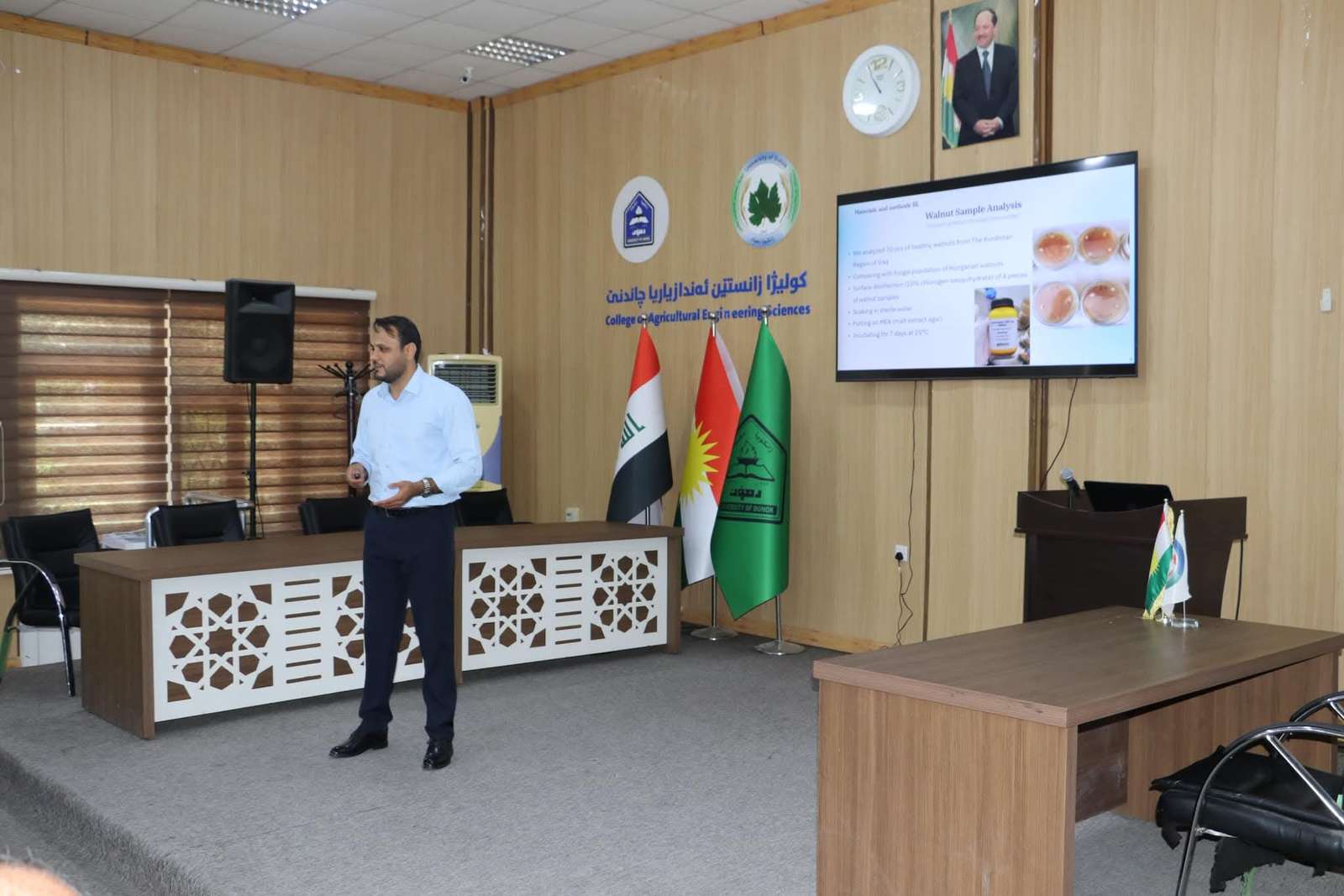
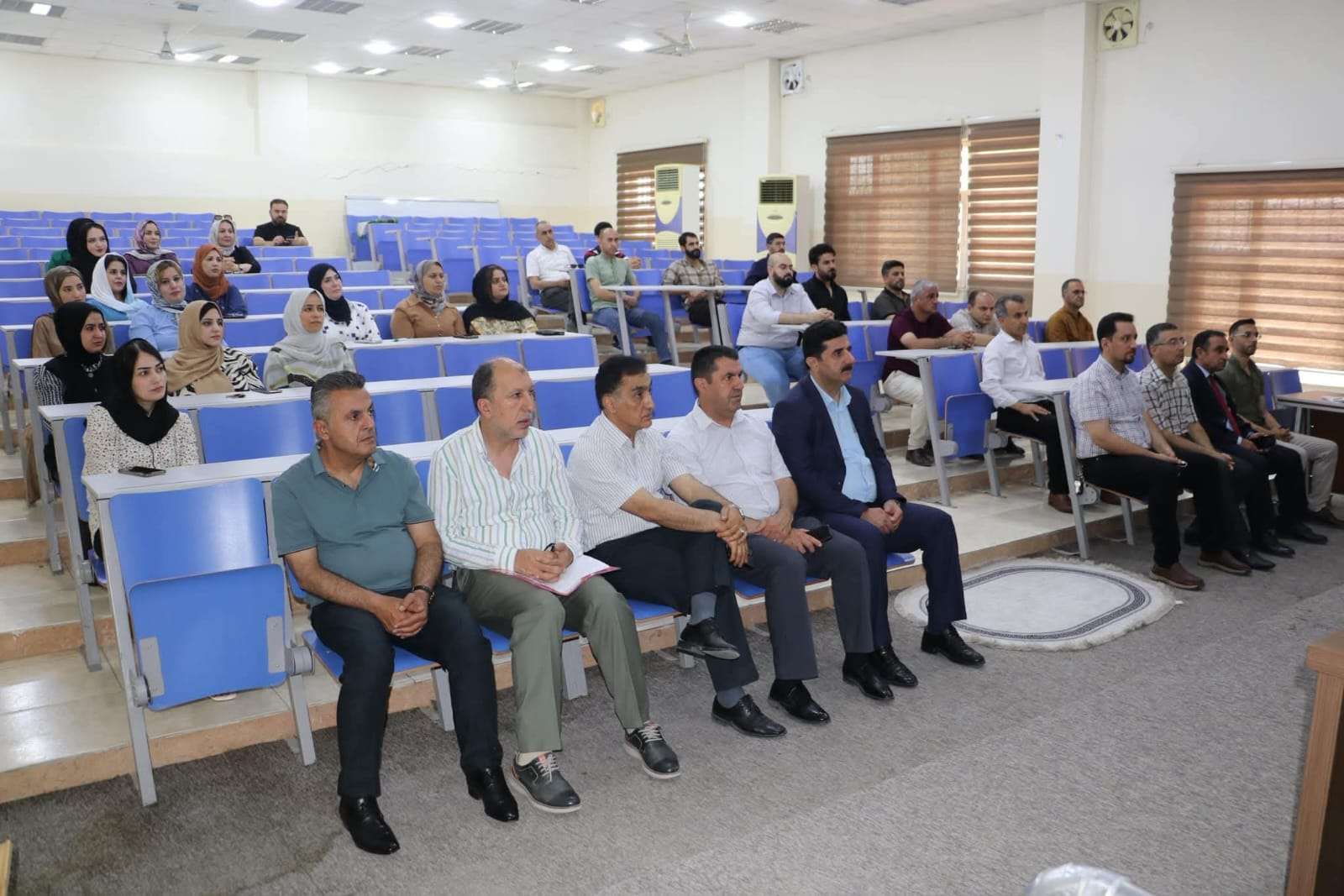
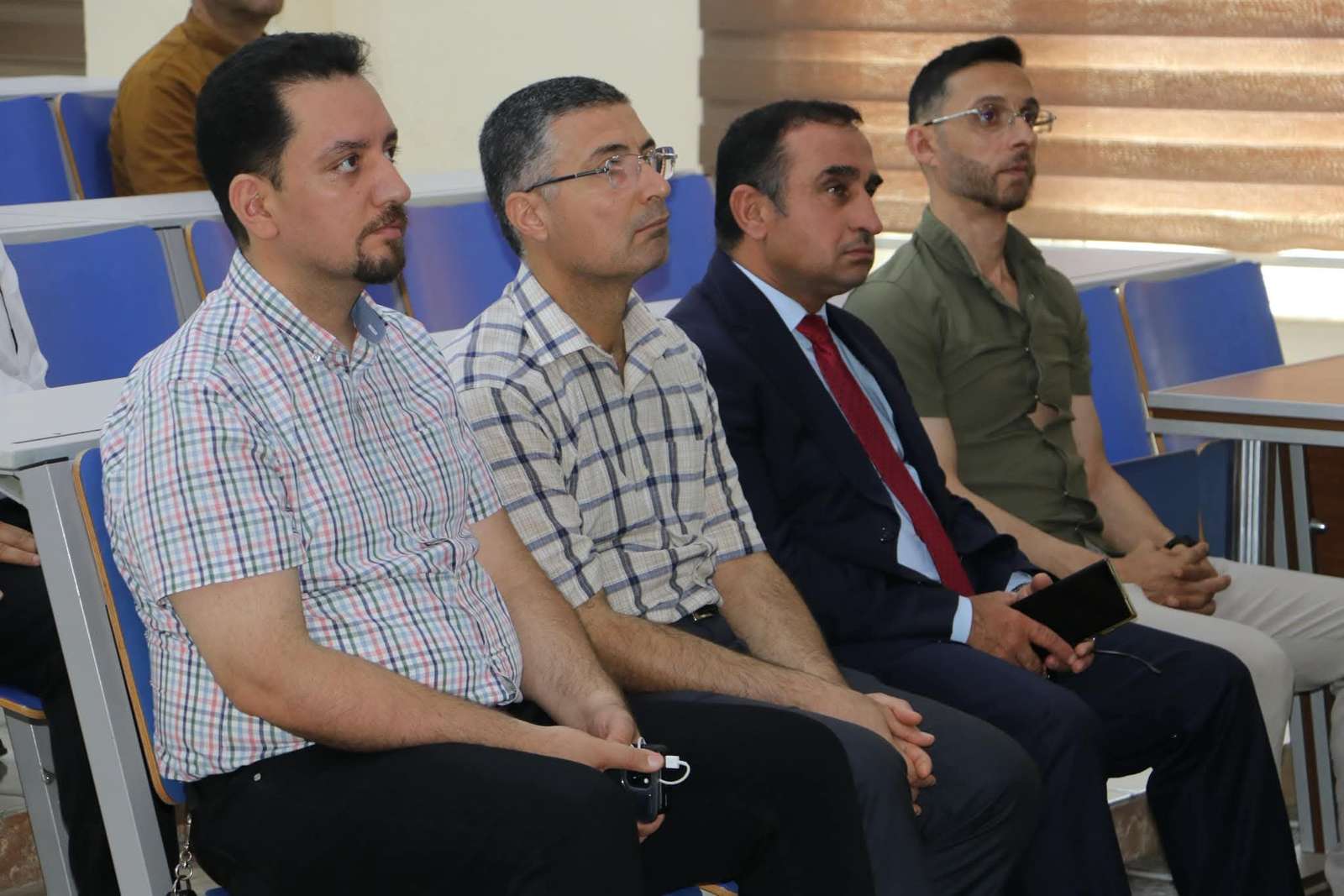
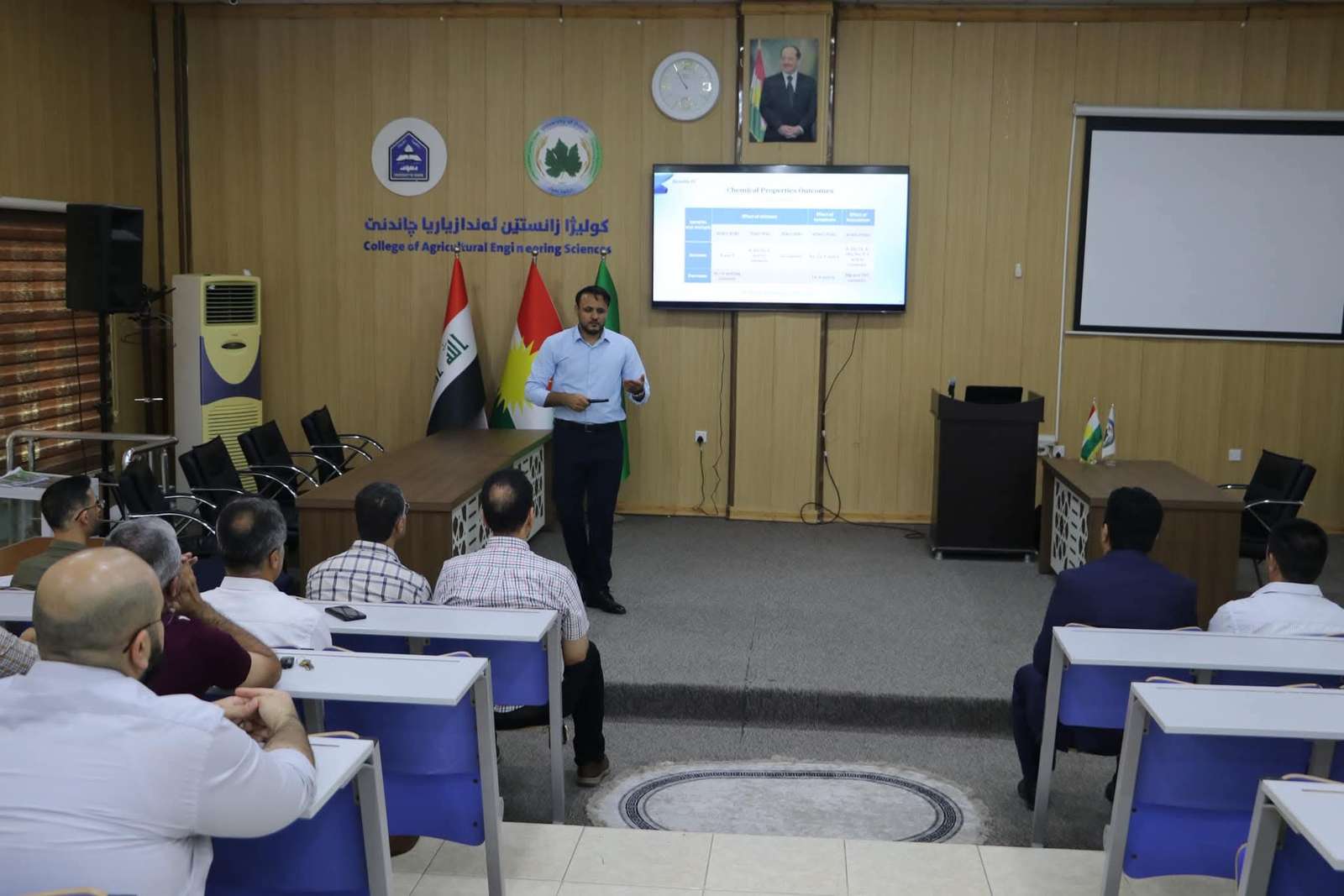
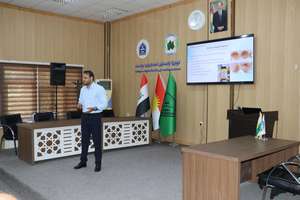
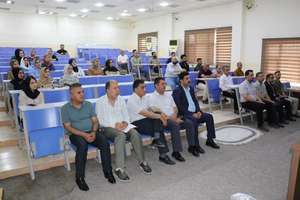
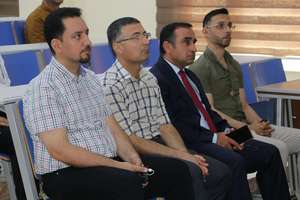
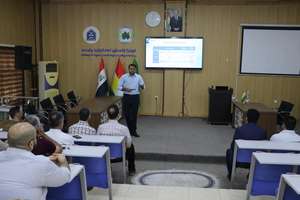
سمینارەک ل دۆر ستراتیژیێن بەردەوام یێن کۆنترۆلکرنا بایۆلۆژی بۆ باشترکرنا جۆری و سلامەتیا گویزی هاتە ئەنجامدان
ل رۆژا ٢٩ێ حوزەیرانا ٢٠٢٦ێ، پشکا رێنماییکاریا چاندنێ و گەشەپێدانا گوندان ل کۆلیژا زانستێن ئەندازیاریا چاندنێ سمینارەک ل ژێر ناڤ و نیشانێن "بکارئینانا چایتۆزان و جۆرێن تریكۆدێرما وەک کەرەستێن کۆنترۆلکرنا بایۆلۆژی دژی کەڕویا پێنسلیۆم د گویزی دا" ئەنجامدا. سمینار ژ لایێ بەرێز (ئایسۆن عیدۆ نامۆ) ڤە ل هۆلا سمیناران یا پشکا ناڤبری هاتە پێشکێشکرن.
سمینارێ تیشک ئێخستە سەر هەلسەنگاندنا کەرەستێن کۆنترۆلکرنا بایۆلۆژی یێن ژینگەهـ دۆست بۆ شەڕی دژی کەڕویا "پێنسلیۆم" (Penicillium)، کو جۆرەکێ بەربڵاڤێ کەڕوویە و کارتێکرنێ ل ناڤۆکا گویزی دکەت. پێشکێشکارێ ب هووری باسی سەرکەفتنا جۆرێن کەڕویا "تریكۆدێرما" و ماددەیێ "چایتۆزان" کر، و دیار کر کو تاقیکردنێن تاقیگەهی شیانێن وان یێن بهێز دژی کەڕوویان سەلماندینە. پشکەکا گرنگا ڤەکۆلینێ بەراوردکرنا جۆرێن کەڕوویان بوو د ناڤبەرا گویزێن هەرێما کوردستانا عیراقێ و وەلاتێ هەنگاریا، کو دیار بوو هەردوو جۆرێن کەڕویا (Penicillium و Aspergillus) ب رەنگەکێ بەربڵاڤ ل هەردوو جهان هەبوون، ئەڤ چەندە ژی نیشانا پێتڤیاتیێ یە بۆ باشترکرنا رێکارێن پاراستنا گویزی پشتی چنینێ.
زێدەباری کۆنترۆلکرنا نەخۆشیان، ڤەکۆلینێ پێکهاتەیێن کیمیاوی و بهایێ خوارنێ یێ چەندین نموونەیێن گویزی هەلسەنگاند. ئەنجامان جوداهیێن مەزن د رێژا ماددەیێن وەک چەوری، فینۆل، و فلاڤۆنۆیدان دا نیشان دان. هەرەسا ڤەکۆلینێ سلامەتیا هەمی نموونەیان بۆ خوارنێ پشتراست کر، چونکی چ رەگەزێن ژەهراوی تێدا نەهاتنە دیتن.
سمینار ب جەختکرن ل سەر بکارئینانا کەرەستێن کۆنترۆلکرنا بایۆلۆژی د بەرهەمهێنانا گویزی دا ب دوماهی هات. ب کێمکرنا پشتبەستنێ ل سەر قڕکەرێن کیمیاوی، ئەڤ ستراتیژیێن ژینگەهـ دۆست دبنە ئەگەرێ باشترکرنا جۆری، سلامەتی و ماوێ هەلگرتنا گویزی، و دبنە بنەمایەک بۆ گەشەپێدانا بەرهەمێن خوارنێ یێن ب کوالیتەکا بلند ل دەڤەرێ.
ئامادەکرنا ڕاپۆرتێ: بلند جلال ح. حەمبی، سیپل محمدطاهر يوسف